
“My knee hurts, but the knee itself looks fine.”
We hear some version of this often at our clinic in Satellite Town, Rawalpindi. A patient comes in pointing at one knee, yet it is not swollen, not injured, and no single incident explains it. The pain appears on stairs, after sitting a long time, or at the end of a day spent standing. When we look further, the story often starts somewhere else — in the way that person walks, stands, and carries their weight. If you are searching for knee pain treatment Rawalpindi, start here: the knee rarely works alone.
The knee is the middle of a chain
Think of your leg as a chain with three links: foot, knee, and hip — with the spine sitting above them all, setting the posture the whole chain hangs from. When one link moves badly, the knee, sitting in the middle, usually pays for it.
Flat feet that roll inward can twist the shin with every step. Weak hip muscles can let the knee drift inward on stairs or when you stand up. A stiff lower back or a pelvis tilted to one side can shift more load onto one leg. None of this means the knee itself is damaged — only that it is carrying a load it was not built to carry, step after step.
That is also why knee pain so often arrives with a tight lower back, an aching hip, or one shoe wearing down faster than the other. The body compensates quietly for a long time, and the knee is where that compensation finally shows up as pain.
Why the usual fixes sometimes miss
Rest helps for a few days, then the pain returns the moment normal life resumes. A knee support feels better while it is on, then the same ache comes back without it. A painkiller dulls the feeling but changes nothing about how you walk. None of these are wrong in themselves — but if the load pattern behind the pain is unchanged, the relief is temporary by design. Exercises done blind disappoint the same way: what helps one knee can irritate another, depending on what drives the pain.
knee pain treatment Rawalpindi: what assessment looks at first
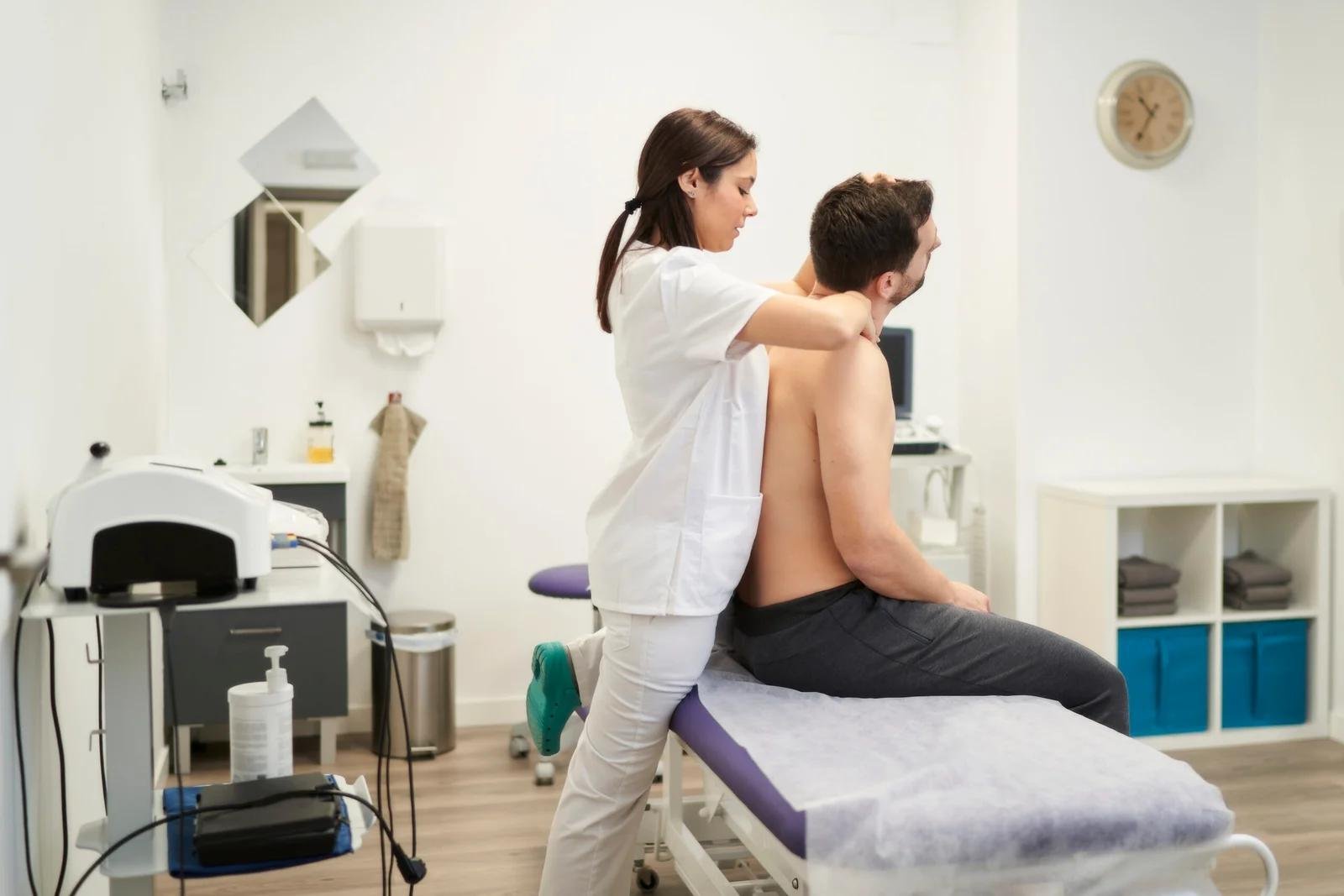
At our clinic, assessment comes before treatment — always. For knee pain, that means the story first: when it started, what makes it worse, and what your day actually holds in sitting, standing, walking and stairs. Then movement and posture: how you walk, how you rise from a chair, whether the knee tracks straight or drifts, and how the hips, lower back and feet move.
Tibb-e-Unani adds a further layer. Your Mizaj — your body’s natural temperament — shapes how your tissues respond to load and to cold, damp weather, and the six essential causes of health, Asbab-e-Sitta, cover the daily habits feeding into the problem: movement and rest, food and weight, sleep, and the air around you. Extra weight, for instance, is not a matter of blame — but every extra kilo is extra load passing through that middle link with every step, and that belongs in the plan.
Only after this picture is clear does a plan take shape, in four phases: Assess, Correct, Support, Maintain. Hands-on structural correction, Ilaj Bil Yad, is part of that plan only when the assessment shows it fits — never a first step for everyone. And the plan is always individual: two people with the same knee pain can need quite different work, because their chains broke in different places.
What you can do meanwhile
A few daily habits help most knees, whatever the cause — gently, within a pain-free range, stopped if they increase the pain:
Keep moving, but pace it. Long sitting stiffens the knee, and a sudden burst of stairs or a long walk after days of sitting can flare it. Short, regular walks beat one exhausting outing.
Strengthen the supports, slowly. Rising from a chair using both legs, a few at a time, and gentle straight-leg raises lying down, build the thigh and hip muscles that steady the knee — without forcing it through pain.
Mind your footwear and your sitting. Worn-out, uneven shoes tilt the whole chain; a firm, flat base is a better starting point. Avoid tucking the same leg under you for hours when you sit.
Watch the load, not just the pain. Heavy lifting with bent knees and deep squatting on hard floors add load; small changes — a step stool instead of crouching, a bag on both shoulders — add up over weeks.
None of this replaces assessment: it is daily care while the cause is being found.
When to get it checked promptly
Most knee pain settles with time and sensible care. But get it reviewed the same day if the knee locks or gives way, if you cannot bear weight on it, if it swells rapidly after a fall or twist, if it is hot and red with fever, or if the calf is swollen and painful. And if knee pain keeps returning for weeks despite rest and simple care, that persistence is itself the reason to have the whole chain assessed rather than the knee alone.
The point to take home
A painful knee is not always a knee problem. Sometimes it is a foot problem, sometimes a hip problem, sometimes a back and posture problem — or a combination, with weight and daily habits adding load on top. Finding which link is at fault is the whole job of assessment, and it is what makes treatment — including knee pain treatment Rawalpindi — actually last. The knee recovers best when the chain around it is put right, over weeks, not in a single visit.
Al Mualij — Spine and sciatica treatments clinic, F-670, New Katariyan, F-Block, Satellite Town, Rawalpindi. Open daily, 10:00 AM–9:00 PM, including Friday. Booking on WhatsApp: +92 333 5166160.