
“My back has been stiff for months. My cousin says hijama fixed his. Should I try it?”
That question comes up in the clinic almost every week. Cupping — hijama — is one of the oldest treatments people in Rawalpindi know by name, and most people have seen the round marks on someone’s back and wondered what happened. If you are looking for cupping therapy Rawalpindi, this explains it the way we explain it to patients: what it is, what a session looks like, who it suits, and what it is not.
What cupping actually is
Small cups are placed on the skin, the air inside is removed, and the cups pull the skin gently upward. That pulling — suction — is the whole idea: blood flow increases, muscles relax, and the tight, heavy feeling often eases for a while.
In Tibb-e-Unani, hijama sits inside Ilaj-bil-Tadbeer — regimental therapy, treatment that works on the body from the outside, through cups, hands and heat, rather than through medicines you swallow. It is a tool, not a system on its own. At our clinic it is never the first step — that is always an assessment: what is stiff, why, and whether cupping belongs in your plan at all.
Cupping therapy Rawalpindi: what a session looks like
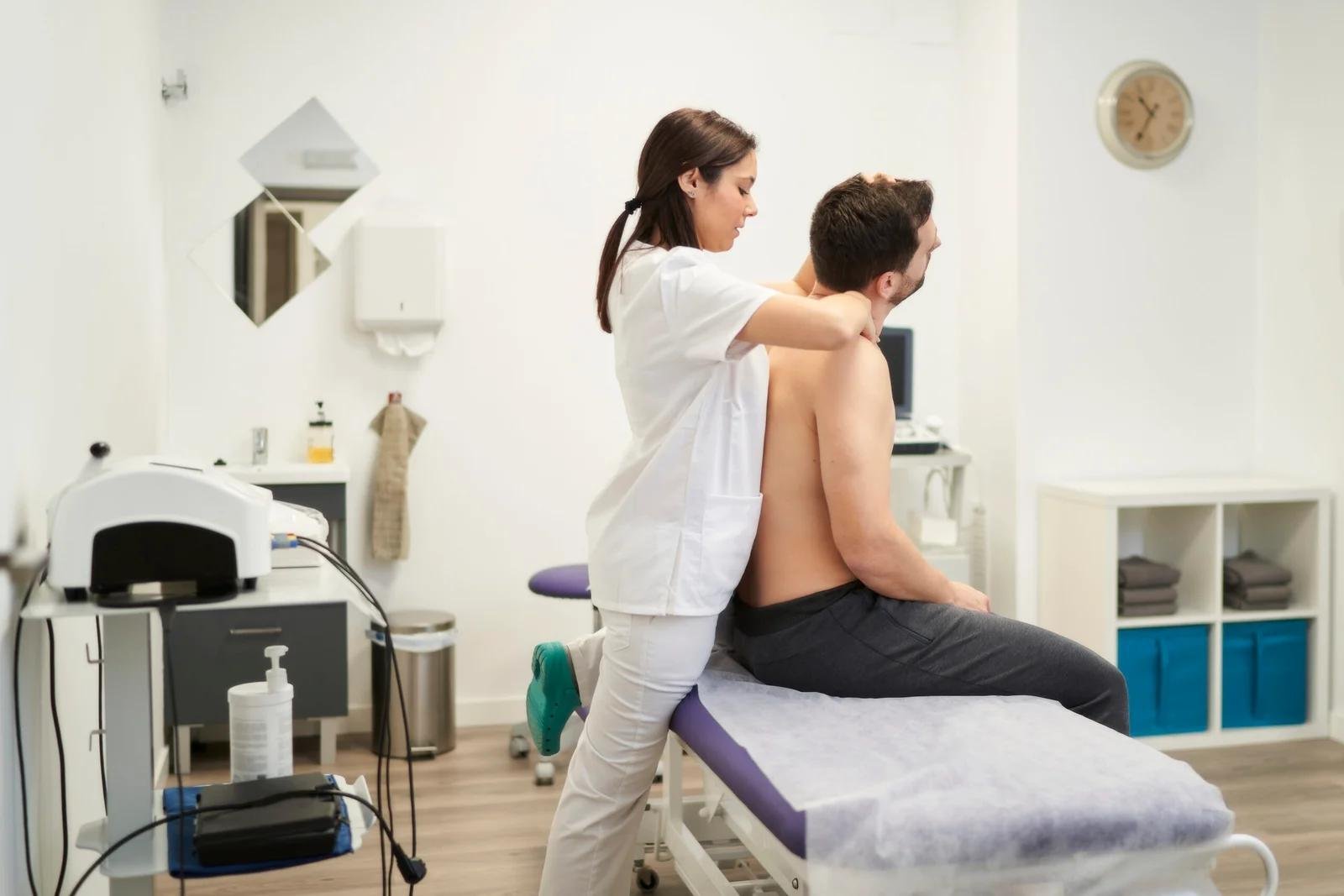
A session starts with a short talk, not with cups: the practitioner asks about your pain, medicines and general health, and examines the area. If cupping fits, the skin is cleaned and the cups go on — usually the back, shoulders or neck.
Unusual at first, uncomfortable for a minute for some, but it should not be sharp pain. The cups stay on for a few minutes — often five to fifteen — then come off. The round marks they leave are normal: not bruises from injury, just where the suction pulled blood to the surface. They usually fade within a week.
There are two kinds, and the difference matters.
Dry cupping is suction only — no blood, no cuts. Most first sessions are dry.
Wet cupping adds one step: after the cups draw blood to the surface, the practitioner makes a few very small, shallow scratches and replaces the cups, so a small amount of blood is drawn out. The area is then cleaned and dressed. Wet cupping is what most people mean by “hijama”, and it needs the most care: clean instruments, a trained hand, and a proper check beforehand that it is safe for you.
Who it suits — and who should hold off
Cupping suits people whose problem is mainly muscle tightness and stiffness: a back locked after long sitting, shoulders carrying the day’s tension, a neck that will not turn freely. It sits well inside a wider plan — assessment, hands-on work, movement and food advice — because stiffness rarely has a single cause.
But it does not suit everyone, and a good practitioner will say so plainly. Cupping is usually avoided or postponed if you are pregnant, take blood-thinning medicine, have a bleeding problem or very low blood count, or the skin where the cups would go is infected, cut or broken, or if you are unwell with fever. That is why the talk before the cups matters most. Any clinic that reaches for the cups before asking these questions is cutting a corner.
What cupping is not
Three honest limits — they decide whether cupping helps you or disappoints you.
First, it is not a cure. One session will not fix a slipped disc, long-standing sciatica or months of poor posture. It can ease stiffness and help the muscles let go, so the rest of the treatment works better — but anyone promising a cure from cups alone is selling you a story.
Second, it is not a replacement for finding out what is wrong. Pain that keeps coming back has a reason, usually structural — how the spine, joints and muscles work together. That is what an assessment is for. Cupping treats the stiffness you feel; the assessment finds why it keeps returning.
Third, the marks are not a measure of success. Darker marks do not mean it worked better — they fade, and they say nothing about how much you have recovered.
After a session: what helps, what to avoid
Rest the area for the rest of the day — no heavy lifting, no hard scrubbing where the cups were. Drink water, keep the marks clean and covered. If anything worries you afterwards — unusual pain, swelling, or a mark that looks infected — call the clinic and ask.
And if cupping is part of your plan, expect it to be one step among several, not the whole plan. Recovery comes from the combination: honest assessment, the right hands-on work, and small daily habits that keep the stiffness from coming back.
The next step
If your back or shoulders have been stiff for weeks and you are wondering whether hijama is right for you, the next step is not to book cupping therapy Rawalpindi on its own — it is to book an assessment. Come in, tell us what hurts and for how long, and we will tell you honestly whether cupping belongs in your plan and what else it needs. Message us on WhatsApp to book, and bring your questions with you. That is what the first visit is for.